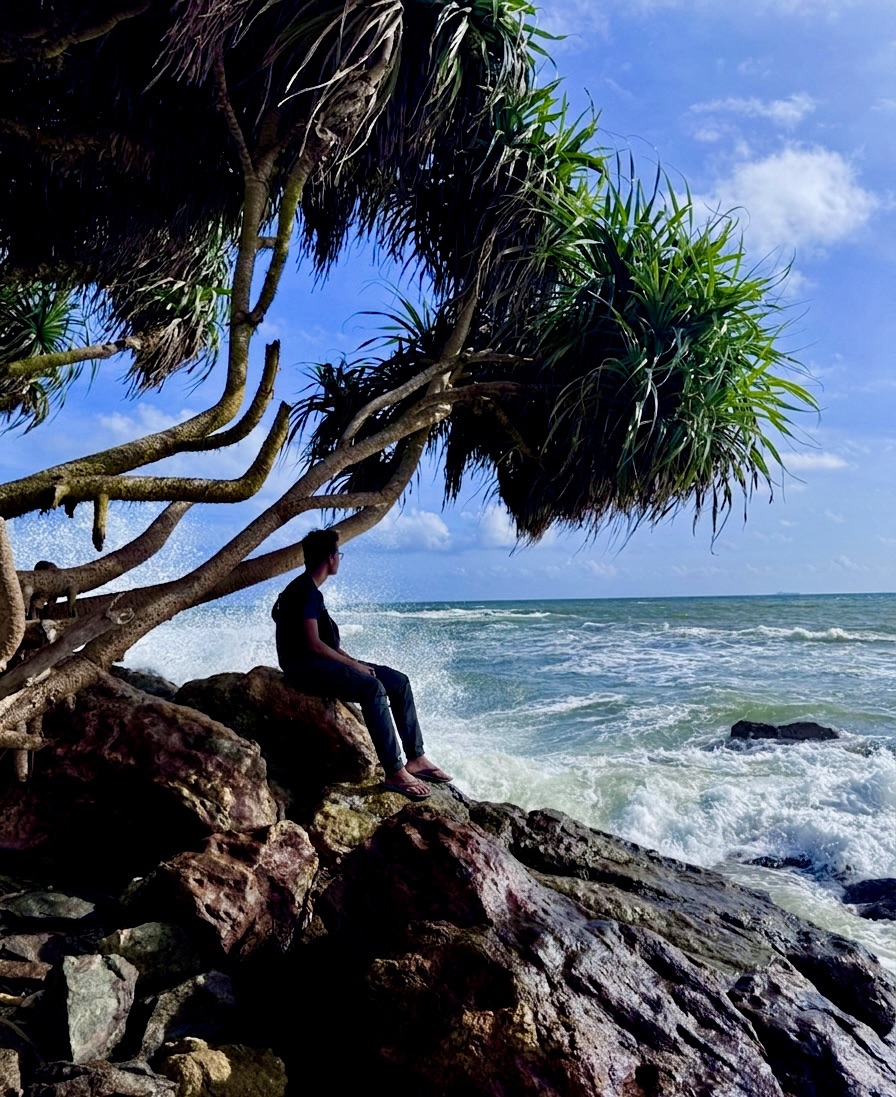
– Masum Azad
“The most dangerous wilderness isn’t the one outside your door; it is the vast, silent tundra of your own mind when you forget the way back to yourself.”
We treat fear as if it requires a physical shape a sudden shadow, a steep drop, or a violent storm. But the most predatory fears are entirely silent. They don’t announce themselves with a crash; they enter through the slow, steady accumulation of life’s demands until our internal landscape becomes completely unrecognizable. The hardest battles we face are the ones where we try to conquer the ultimate abyss: the terrifying realization that we have lost ourselves, coupled with the suffocating dread that we might never be found again. This isn’t just a bad day or a passing mood; it is an existential dislocation where the compass stops working and the stars go dark.
Imagine your consciousness as an ocean vessel navigating a thick, blinding fog. In your youth, your goals and your identity were bright, immovable lighthouses on the horizon. But under the weight of adulthood the high information density, the relentless performance of everyday roles, and the echoes of past hurts those lights slowly fade out. You look down at your own hands, look into the mirror, and realize the person staring back is a stranger wearing your clothes. The true fear isn’t that you are stranded in the dark; it is the paralyzing suspicion that the “original you” has completely dissolved into the mist. It feels like a permanent subtraction, a ghost story where you are the ghost.
Overcoming this fear is not about finding a magic map or waiting for someone else to throw you a lifeline. It requires a radical, terrifying shift in perspective: you have to stop searching for the person you used to be and accept the raw landscape of who you are right now. When you are lost within your own mind, the old coordinates are useless. The breakthrough comes when you stop panicking in the fog, sit down in the middle of the wreckage, and tune your ear back to the primal baseline the simple, unhurried rhythm of your own breath. You realize that while you cannot see the shore, the ship hasn’t sunk. The core of your spirit is still vibrating underneath the panic.
To survive the internal drift is to practice the most rigorous form of self-preservation. It means looking into your own void and deciding that even if you have to rebuild your identity brick by brick, you will stay in the room. You don’t need to fix the entire ocean of your anxiety all at once; you just need to trust the physical reality of the present moment. You listen to the rain outside your window, you feel the cool air on your skin, and you realize that being lost is just a temporary state of transition before a new alignment. The fog will eventually lose its grip, the horizon will clear, and you will find that you were never truly gone. Everything else is just weather. And you are the one who outlasts the storm.
Leave a Reply