
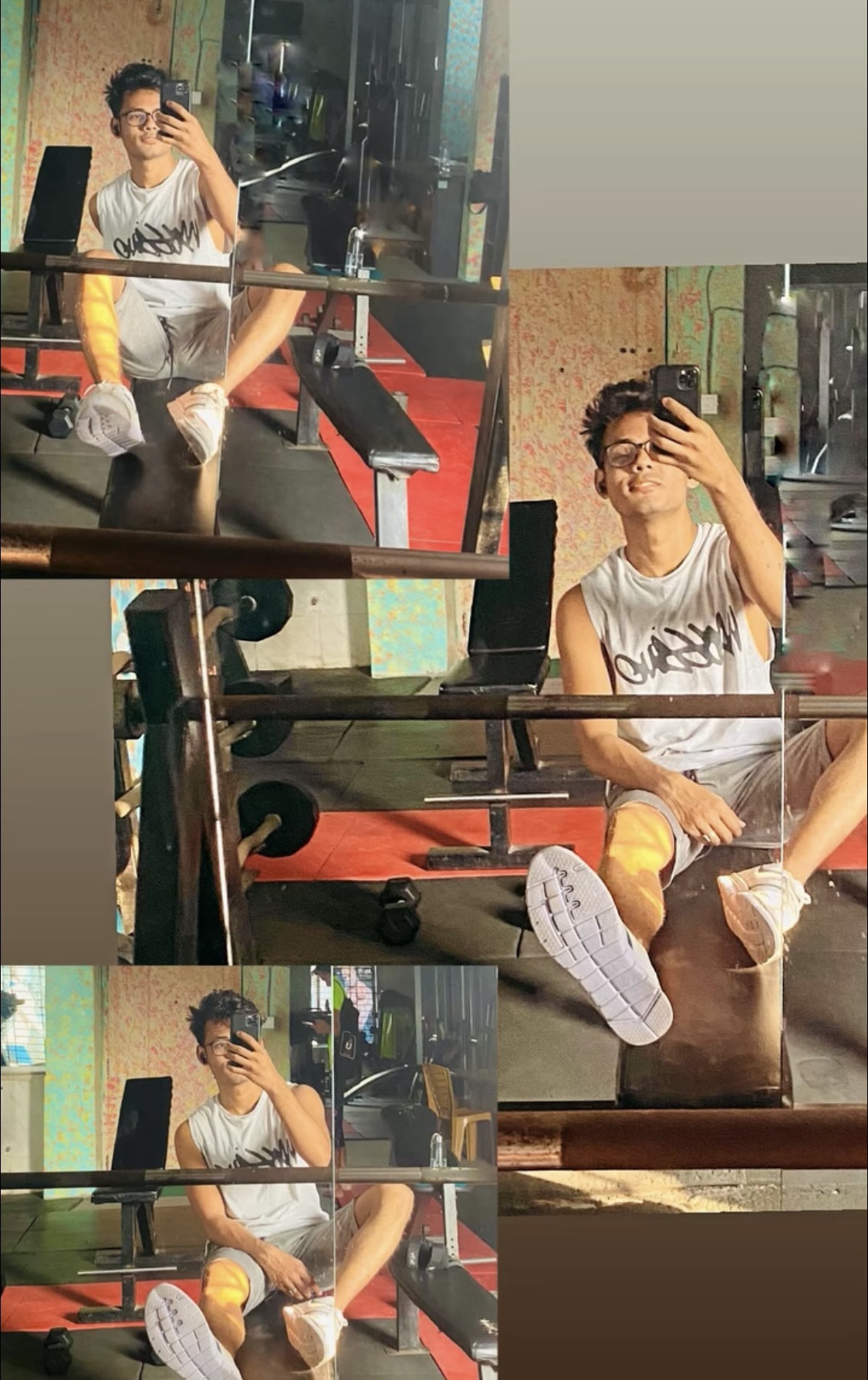
Modern life has a strange way of disconnecting human beings from themselves. The mind races ahead, the heart lags behind, and the body quietly carries the weight of everything left unspoken. Somewhere in this distance, clarity begins to fade. Yet the simplest gateway back to balance often lies where people forget to look in movement.
Physical activity is not merely a routine of repetitions or a checklist of exercises. It is an ancient form of self-restoration, older than language, older than thought. Long before humans learned to write their stories, they learned to move through them. And even today, the body remembers what the mind refuses to acknowledge.
There is a gentle truth hidden inside every movement.
When muscles tighten and release, they mirror the ebb and flow of emotions.
When breathing deepens, the nervous system softens its grip.
When footsteps fall into a steady rhythm, scattered thoughts begin to line up quietly behind them.
Strength-based movements, for example, often become lessons in grounding. The slow rise of resistance teaches the value of patience, not power. Each controlled motion reminds the mind that stability is built one deliberate step at a time. The body does not rush; it progresses. And in learning this, the mind learns to stop sprinting through its own storms.

Then there are the long walks those unhurried, almost meditative journeys where the world slows down just enough for inner noise to settle. Something about the repetitive cadence of footsteps makes thoughts less sharp, less tangled. Even without conscious intention, clarity begins to surface like a forgotten truth returning on its own.
Gentle stretches, often overlooked, hold their own philosophy. They reveal how tightly the body stores unprocessed tension: in shoulders, in the neck, in the curve of a tired spine. As each muscle lengthens, the emotions trapped within it begin to loosen. Stretching becomes a quiet negotiation between discipline and surrender.
And then comes the mind–body connection those slow, intentional practices where breath guides movement. Here, healing is subtle. Nothing dramatic. No grand transformation. Just the mind learning to listen again, learning to stay inside the body instead of floating somewhere between anxiety and expectation.
Across all forms of movement, one truth repeats itself: the body knows how to return to balance long before the mind does. It teaches without speaking. It heals without demanding. It shows that peace is not always found in stillness sometimes it is found in motion, in the warm rise of heartbeat, in the unfolding of a weary muscle, in the sound of steps meeting the earth.
In a world obsessed with productivity, movement becomes a rebellion. A gentle, powerful reminder that humans are not machines. They are living, breathing beings with rhythms, emotions, and a deep need for connection with themselves. Physical activity creates that connection not as exercise, but as a form of understanding.
Because when the body moves, the mind finally learns to come home.